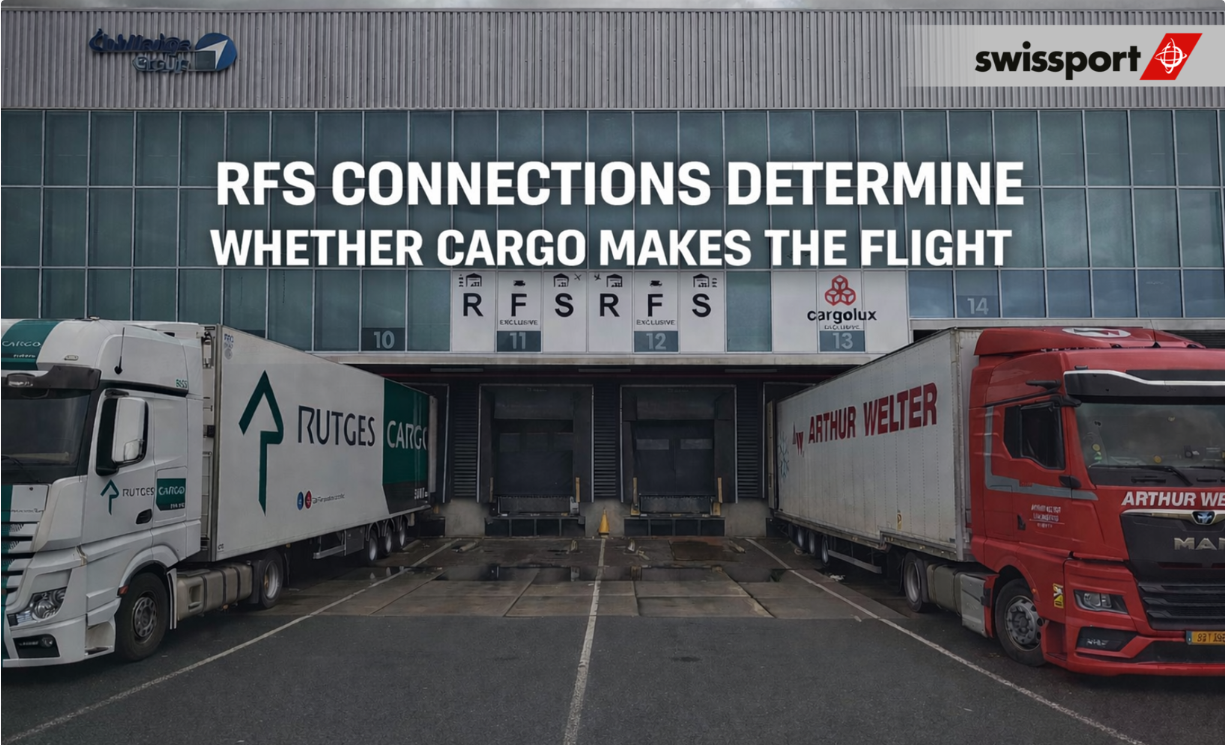
A Load Plan Is Only as Strong as Its Execution
Every airline invests significant effort in building an optimal flight load plan. Capacity is sold, shipments are accepted, and aircraft are planned to maximize revenue while meeting customer commitments. Yet one critical factor is often overlooked: a load plan is only as good as the operational network that must execute it.
Road feeder services (RFS) and ground handlers are essential extensions of an airline’s operation. If truck capacity, warehouse resources and handling priorities are not aligned with the planned flight build up, even the best load plan can result in delays, missed connections and lower Delivery as Promised (DAP) performance.
Independent Planning Creates Operational Gaps
The challenge is that airlines typically plan flights based on cargo demand and aircraft capacity, while trucking companies plan vehicle utilization and ground handlers manage warehouse resources independently. Each organization optimizes its own operation, but not necessarily the end to end cargo flow.
This disconnect creates avoidable operational inefficiencies. Trucks may arrive too early, too late or in uneven peaks. Warehouses become congested during build up, handling resources are stretched, and priority shipments compete with routine freight. The result is increased waiting times, unnecessary truck movements, longer cargo dwell times and greater risk of shipments missing their planned flight.
Synchronizing the Entire Landside Operation
Achieving consistently high DAP requires more than an accurate flight schedule. It requires synchronized execution across the entire landside operation.
The airline’s load plan should become the common operational plan shared with both road feeder operators and ground handlers. Truck departures, arrival times, warehouse capacity and handling priorities should all be coordinated around the expected flight build up. Every stakeholder must understand not only what needs to move, but also when it needs to be ready and how operational changes affect the rest of the chain.
Real Time Visibility Enables Better Decisions
This level of coordination demands real time visibility. Airlines need insight into truck progress, estimated arrival times, warehouse congestion and operational exceptions. Ground handlers require advance visibility of incoming truck volumes to allocate resources effectively. Trucking companies need continuous updates on warehouse readiness and changing flight priorities to optimize dispatching.
When all parties operate from the same operational picture, execution becomes proactive instead of reactive. Delays can be anticipated, resources can be reallocated before bottlenecks occur and alternative transport options can be arranged before service commitments are impacted.
From Visibility to Operational Orchestration
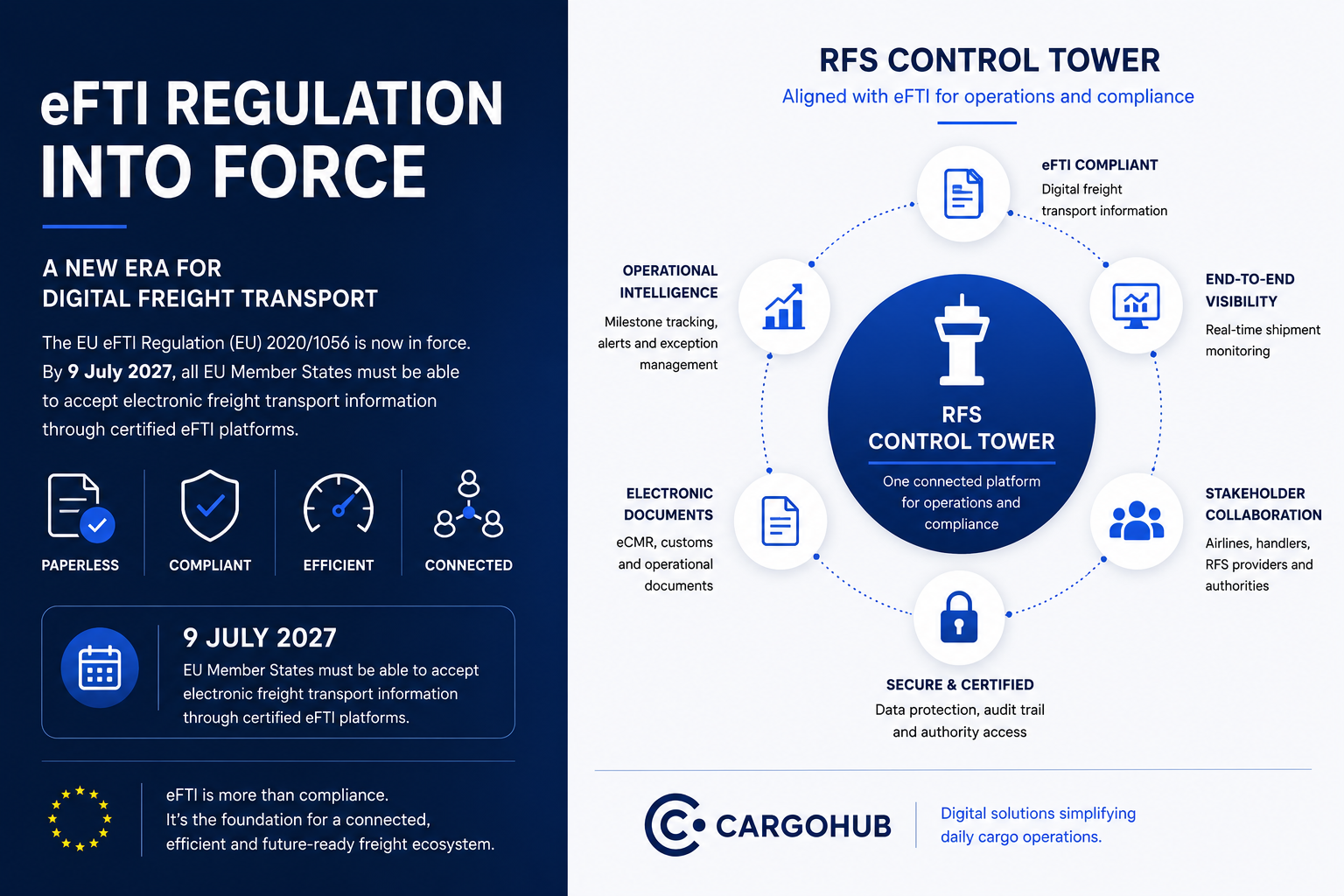
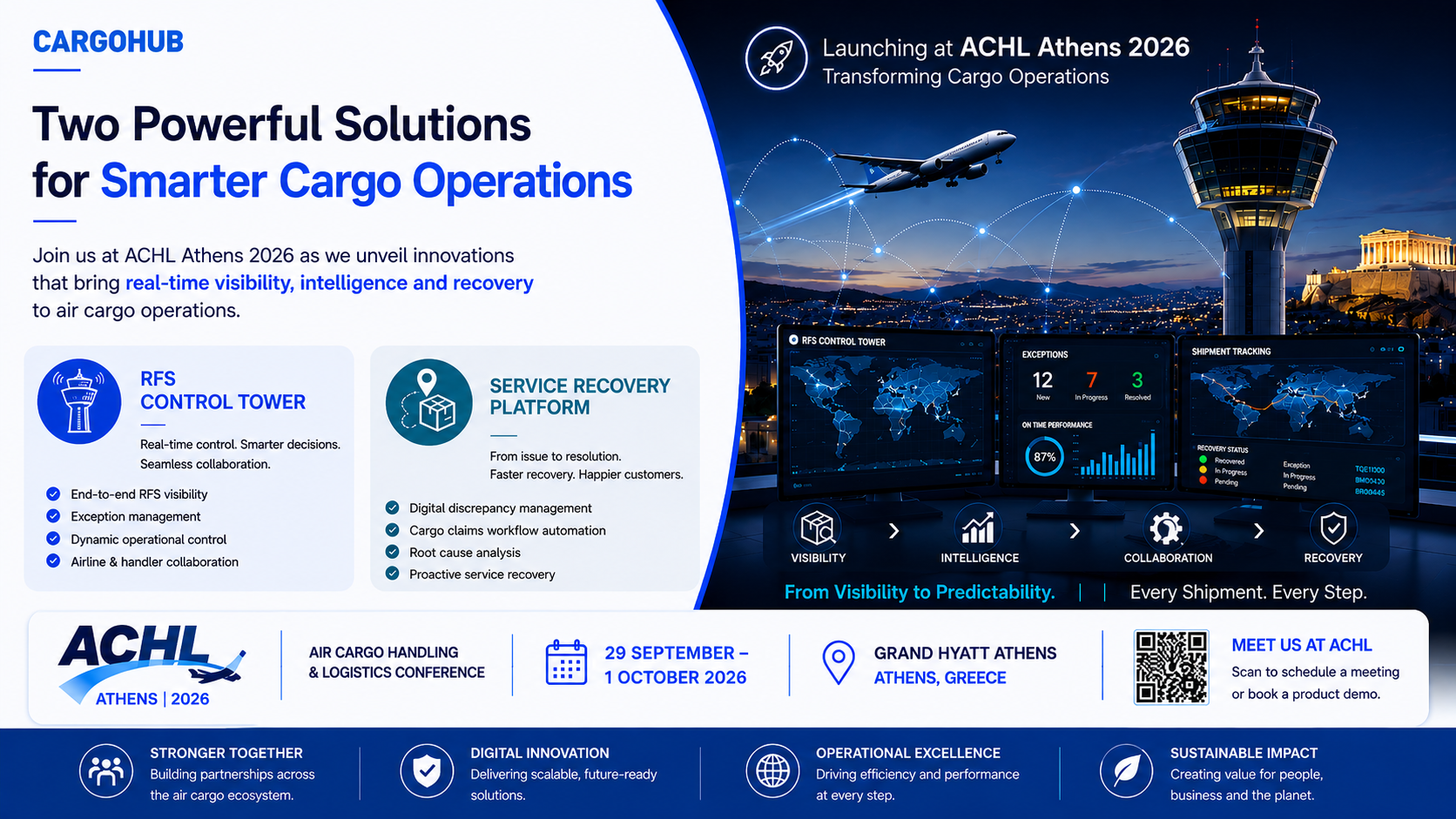
This is where a digital RFS Control Tower delivers value. By combining airline load plans with real time truck visibility and warehouse operational milestones, every participant gains a shared understanding of the cargo flow. Exceptions are identified early, operational decisions become data driven and coordination between airlines, road feeder operators and handlers improves significantly.
The objective is not simply to monitor trucks. It is to orchestrate the complete landside operation around the airline’s flight plan. The aircraft schedule, truck movements and warehouse activities become one synchronized process instead of three independent operations.
The Next Step in Air Cargo Performance
As air cargo volumes continue to grow and customer expectations become more demanding, operational excellence will increasingly depend on collaboration rather than individual optimization. Airlines that align their load plans with both truck availability and ground handling capacity will reduce delays, improve warehouse efficiency and consistently achieve higher Delivery as Promised performance.
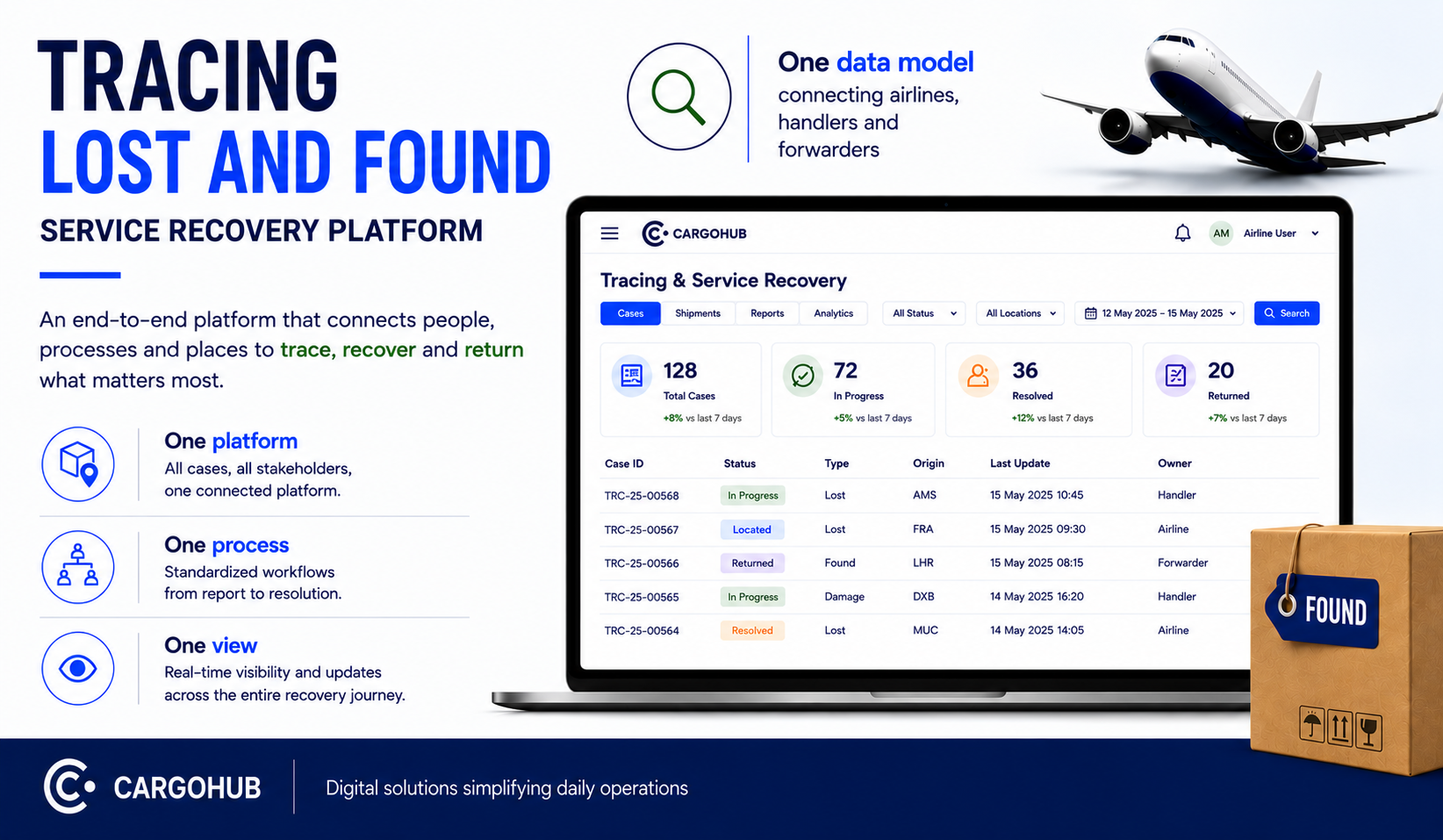
The future of air cargo execution lies in one coordinated operational plan, supported by one shared data model and one real time operational view across the entire supply chain.
www.cargohub.nl